

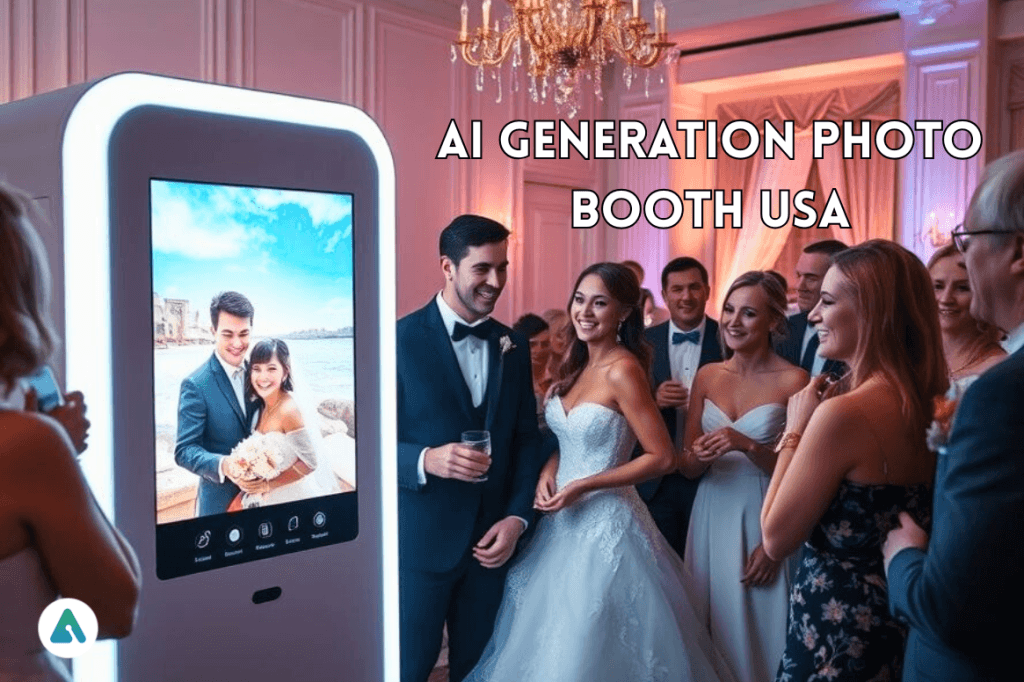
Step into almost any big event today — a wedding in New York, a product launch in LA, or a music festival in Austin — and chances are you’ll see a crowd gathered around something glowing, buzzing, and definitely not your grandma’s photo booth. These aren’t dusty boxes with curtains anymore. They’re powered by AI, blending creativity, branding, and a dash of futuristic magic. Welcome to the age of AI photo booths.
In this article, we’ll explore how the rise of the AI generation photobooth USA is transforming events. From market insights to pros and cons — plus a quick guide on picking the right setup — you’ll get the full picture of why these booths are becoming a must-have.
What Exactly Is an AI Generation PhotoBooth USA?

At its simplest, an AI photo booth captures a picture of a guest, runs it through smart algorithms, and transforms it into something memorable — think comic-style portraits, retro magazine covers, or even surreal dreamscapes.
But here’s the cool part: the “brains” behind it aren’t just filters. Many booths now use diffusion models (the same tech powering popular AI art tools) to reimagine faces, clothing, and backgrounds. The AI learns patterns from massive image datasets and then “redraws” your photo in the chosen style. Some setups even mix in augmented reality (AR) layers, so guests feel like they’re stepping into an alternate universe.
It’s like a Polaroid camera collided with a generative art studio — and the result is instant, shareable content.
Why They’re Taking Over Events
Let’s be real: events today aren’t just about food, music, or décor. They’re about moments that get shared online. That’s where AI photo booths shine.
- Guests love them → Instead of a static print, they walk away with a digital masterpiece ready to hit Instagram or TikTok.
- Brands see ROI → Companies get their logos, slogans, or products seamlessly worked into the outputs. That means free, organic reach when hundreds of guests share.
- Planners win big → High engagement = happy clients. And in competitive event markets, that edge matters.
Put simply, these booths are part entertainment, part marketing machine.
Market Insights: Who’s Leading the Charge?
The U.S. AI photo booth scene isn’t a monopoly — it’s a mix of established players and creative newcomers.
- Big Names (SnapBar, Noonah Tech) → These are the go-tos for corporate events. They’re less about wild artistic filters and more about data capture, analytics, and brand consistency. Think trade shows where every selfie doubles as a lead-gen opportunity.
- Boutique Specialists (OutSnapped, Snapmatic) → These guys live for “wow factor” activations. Expect immersive setups, themed concepts, and even multi-sensory experiences. Imagine a booth where your selfie gets turned into a movie poster and projected live on the event wall.
- Regional Innovators → Smaller companies are experimenting with AR overlays, interactive touchscreens, and hybrid physical-digital installations. They might not have huge client lists yet, but they push the boundaries creatively.
So while the tech is similar, the execution and positioning differ a lot. Corporate precision vs. boutique creativity vs. experimental edge.
Weak Spots & Growing Pains
AI booths aren’t perfect, and glossing over that would be dishonest. Here are the main friction points event planners should keep in mind:
- Cost → These setups aren’t cheap. Beyond the hardware, licensing AI tools and maintaining them adds up.
- Complexity → Unlike old-school booths, AI versions need strong internet, updated software, and sometimes onsite tech support.
- Privacy questions → Photos often run through cloud systems. Who owns the data? How long is it stored? Guests may want clarity.
- Glitches happen → AI is unpredictable. One photo might be stunning, the next… slightly uncanny. Reliability still matters.
Acknowledging these isn’t a dealbreaker — it’s just part of making smart event decisions.
Choosing the Right AI Photo Booth for Your Event
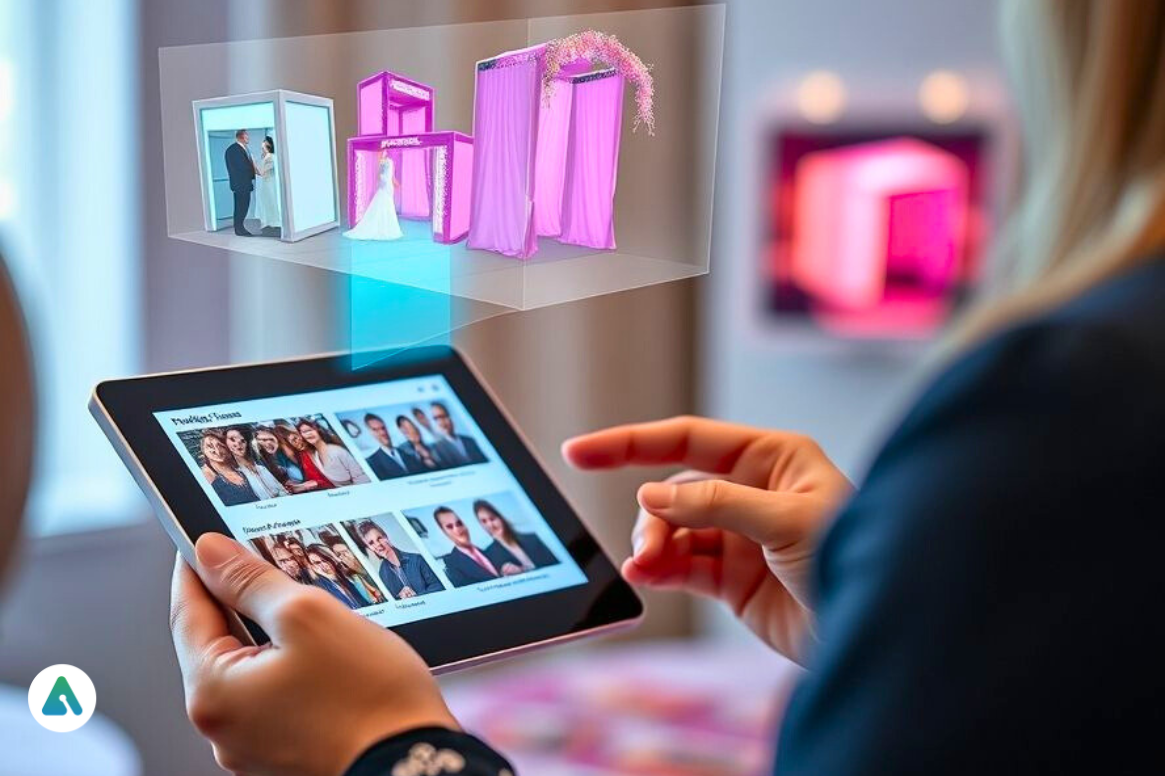
Not all events are the same, so not all booths should be either. Here’s a quick breakdown:
- For weddings & private parties → Look for creativity, fun filters, and instant digital sharing. Guests want keepsakes, not metrics.
- For corporate events & trade shows → Prioritize branding options, analytics dashboards, and lead capture features. ROI rules here.
- For festivals & large public events → Throughput (how many guests per hour) and reliability are key. Nobody wants a line of 200 people waiting for a render.
3 Questions to Ask Vendors Before You Book:
- How transparent are the fees (no hidden “data add-ons”)?
- What kind of customization can you get (themes, branding, filters)?
- What’s the privacy policy for guest photos and data?
That checklist alone can help planners avoid 90% of common headaches.
The Road Ahead
AI photo booths are just the start. As the tech matures, expect to see:
- Deeper integration with event apps (think: scan your badge → get your AI portrait).
- VR/AR mashups, where your photo becomes part of an interactive 3D space.
- Real-time personalization, like booths that adapt outputs based on guest behavior or event themes.
Bottom line? These booths aren’t a fad. They’re shaping what guests expect from event experiences in the 2020s and beyond.
Final Words
AI Generation photobooth in the USA aren’t just tech toys. They’re part of a bigger shift in how people celebrate, share, and remember moments. Whether it’s a brand chasing visibility, a couple curating unforgettable wedding keepsakes, or a festival trying to stand out online, these booths bring the blend of creativity and technology needed to make it happen.
Visit: AIInsightsNews
